Grills and Modular Outdoor Kitchens That Fit
A memorable backyard gathering rarely happens around the dining table alone. It gathers around the person tending the flame, pouring another drink, and finishing dinner without stepping away from the conversation. When homeowners compare grills and modular outdoor kitchens, they are really deciding how they want their outdoor space to work: as a place for occasional cookouts or as a refined extension of home.
A premium grill can be the centerpiece of a beautiful patio. A modular outdoor kitchen builds a complete setting around it, with the counter space, storage, refrigeration, and visual presence that make hosting feel more relaxed. The right choice depends on your available space, cooking habits, climate, and how much permanence you want from the investment.
Start With the Way You Actually Entertain
Before considering finishes or burner counts, think through the rhythm of a typical evening outside. If you grill a few steaks on weekends and prefer a clean, open patio, a freestanding grill with a quality prep surface nearby may be all you need. It offers flexibility, excellent performance, and a lighter footprint.
If you regularly host family dinners, poolside afternoons, or holiday gatherings, a modular kitchen often changes the experience in more meaningful ways. It keeps tools, serving pieces, ice, and ingredients where they are needed. Instead of moving repeatedly between the indoor kitchen and patio, the cook stays present with guests.
The difference is not simply more equipment. It is less interruption. A thoughtfully designed outdoor kitchen turns preparation, cooking, and serving into one easy flow, which matters when the goal is to enjoy the people around you rather than manage the meal.
Why Grills and Modular Outdoor Kitchens Work So Well Together
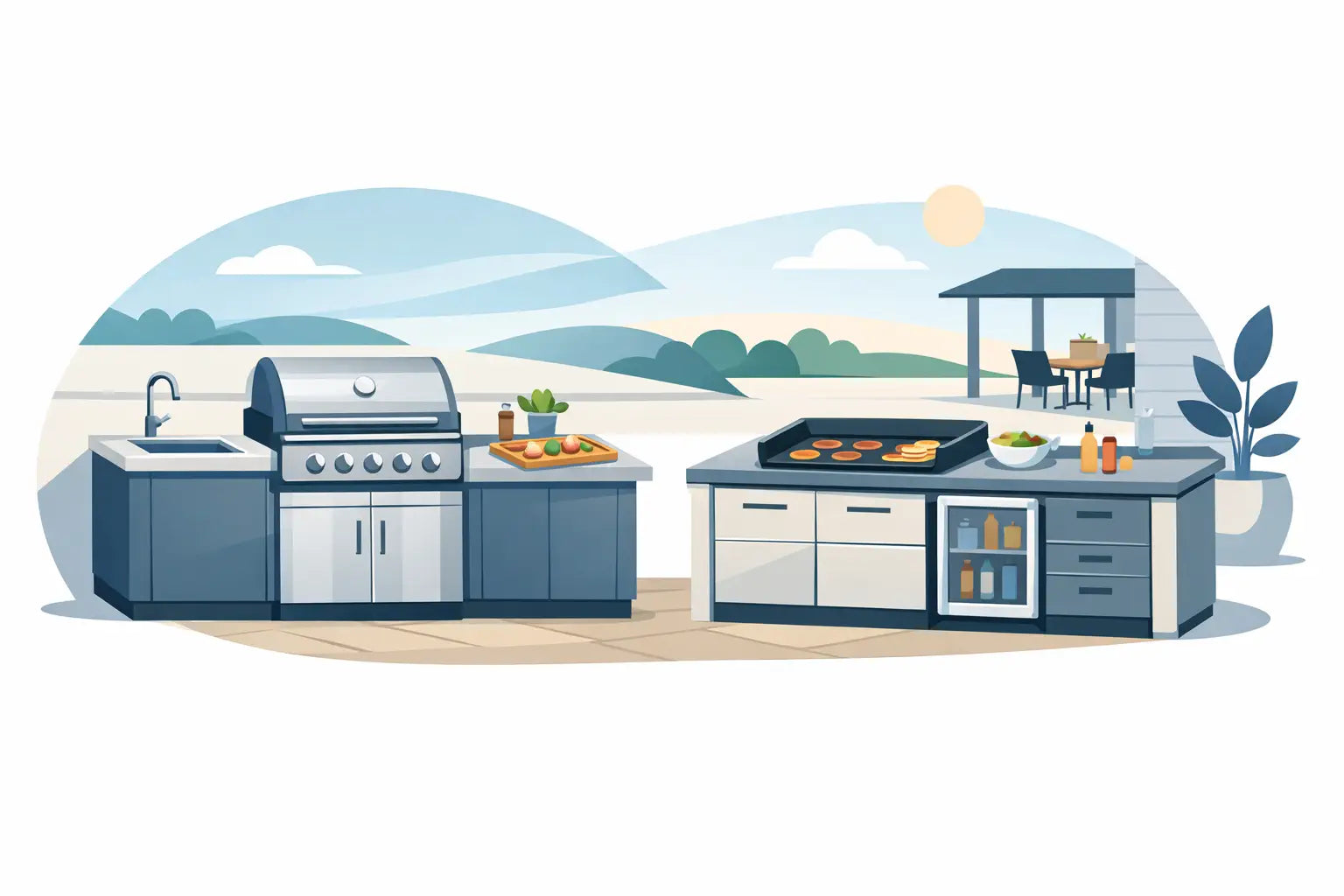
Modular outdoor kitchens offer a polished middle ground between a stand-alone grill and a fully custom masonry build. Individual components can be arranged to suit the patio, then expanded as your needs evolve. A grill base, drawer cabinet, counter module, and outdoor refrigerator can create a complete cooking zone without requiring every decision to be fixed from the start.
This format is especially appealing for homeowners who want a built-in appearance with more adaptability. You may begin with the grill and essential storage, then add a bar module or beverage center after living with the space for a season. For second homes or properties where a major construction project feels unnecessary, modular pieces can deliver the presence of a permanent outdoor kitchen with a more practical installation path.
There are trade-offs. Modular configurations may not accommodate every unusual site condition as precisely as custom construction. They also require careful planning around utility access and a level foundation. But for many luxury patios, the balance of design flexibility, performance, and installation simplicity is exactly right.
Choose the Grill Before the Cabinetry
The grill is the working heart of the kitchen, so its size and fuel type should lead the plan. A 32-inch grill can suit a couple or a small family that entertains casually. A larger 36- or 42-inch model offers more room for direct and indirect cooking at the same time, a welcome advantage when preparing multiple courses for guests.
Consider how you cook, not just how impressive a grill looks on paper. Natural gas is convenient for homeowners with an existing gas line and frequent grilling habits. Propane provides placement flexibility, while charcoal or ceramic cooking adds distinctive flavor for those who enjoy a more hands-on approach. Side burners, rotisserie kits, and infrared zones are worthwhile when they support your preferred menu, not merely because they fill a specification sheet.
A well-built grill should also be comfortable to use after dark, easy to clean, and made from materials that hold their finish through changing seasons. Premium stainless steel, dependable ignition systems, substantial grates, and thoughtfully placed controls make the difference over years of use.
Add Modules That Remove Friction
Once the grill is selected, choose supporting components based on the tasks that currently send you indoors. For most households, counter space and enclosed storage create the biggest immediate improvement. A generous prep area gives platters and ingredients a proper landing place, while drawers keep grilling tools, towels, and seasonings protected and close at hand.
An outdoor refrigerator is a sensible addition for hosts who serve chilled beverages or prepare food outside often. It reduces traffic through the house and keeps drinks accessible without crowding the main cooking surface. A trash or recycling pullout is less glamorous, but it is one of the details that keeps a beautiful space feeling composed during a busy gathering.
A sink can be valuable, particularly near a pool or in a larger kitchen used for full meal preparation. It also raises the complexity of the project because plumbing, drainage, and winterization must be considered. If your patio is not already equipped for water service, additional counter space and an outdoor refrigerator may offer more day-to-day value.
Plan the Layout Around Movement, Not Just Measurements
A luxurious outdoor kitchen should look intentional from across the yard and feel effortless when someone is carrying a tray of food. Begin by identifying the route from the indoor kitchen to the patio, the main seating area, and any pool entrance. The cooking zone should be close enough for convenience but positioned so smoke, heat, and service activity do not dominate the lounge or dining space.
Allow room for more than open cabinet doors. The person grilling needs space to turn, set down a platter, and step back from the heat safely. Guests need a natural place to gather without blocking the work area. An island with seating can be inviting, but it should preserve a comfortable clear path around the grill and prep counter.
For smaller patios, a straight-line arrangement against a wall or fence can create a tailored look without consuming the entire outdoor room. L-shaped layouts add prep space and define the kitchen as a destination. Larger yards may support an island configuration that separates the cooking side from guest seating, making the kitchen feel like an outdoor bar and dining hub.
Pay attention to sightlines as well. If your landscape has a pool, a garden, or a distant view, orient the kitchen so the cook can enjoy it. The best designs respect the architecture of the home and leave enough open space for the patio to breathe.
Materials Should Match Your Climate and Your Standards
Outdoor kitchens live with sun, rain, temperature changes, grease, and frequent cleaning. Materials need to be selected for that reality, not only for their showroom appeal. Marine-grade stainless steel is a strong choice in coastal regions because it offers better resistance to salt exposure. Powder-coated aluminum can provide a crisp contemporary profile with low maintenance. Stone and porcelain surfaces offer visual depth, though the specific material should be appropriate for freeze-thaw conditions in colder climates.
Countertops deserve particular attention. They need to tolerate heat, spills, and UV exposure while remaining easy to maintain. Porcelain is increasingly popular for its refined appearance and durability. Natural stone delivers character, but some varieties need sealing and may develop a patina over time. Neither approach is automatically better. The right surface is the one that suits the climate, design direction, and level of maintenance you are comfortable providing.
Color matters, too. Bright white cabinetry can look striking in a covered, contemporary setting, while charcoal, warm gray, teak-inspired tones, and natural stone often settle beautifully into garden and poolside environments. Aim for coordination rather than a perfect match with indoor finishes. Your outdoor space should feel connected to the home while retaining its own character.
Do Not Treat Utilities as an Afterthought
The most elegant kitchen can become frustrating if gas, electrical power, drainage, and ventilation are addressed too late. Confirm fuel requirements before ordering the grill. If you plan to include refrigeration, lighting, or an electric ignition, ensure the electrical layout supports those loads and that outlets are properly protected for outdoor use.
Built-in grills require clearances and ventilation that vary by model and enclosure type. This is a safety issue as well as a performance issue. Gas components, especially propane storage, need appropriate ventilation. Local building codes and qualified installers should guide the final installation, even when the kitchen itself is modular.
It is wise to settle delivery access before selecting large modules. Measure gates, pathways, stairs, and any turns from the street to the patio. A premium outdoor kitchen is an investment in longevity, and a little early coordination protects both the product and the installation experience.
Create a Kitchen That Belongs to the Whole Retreat
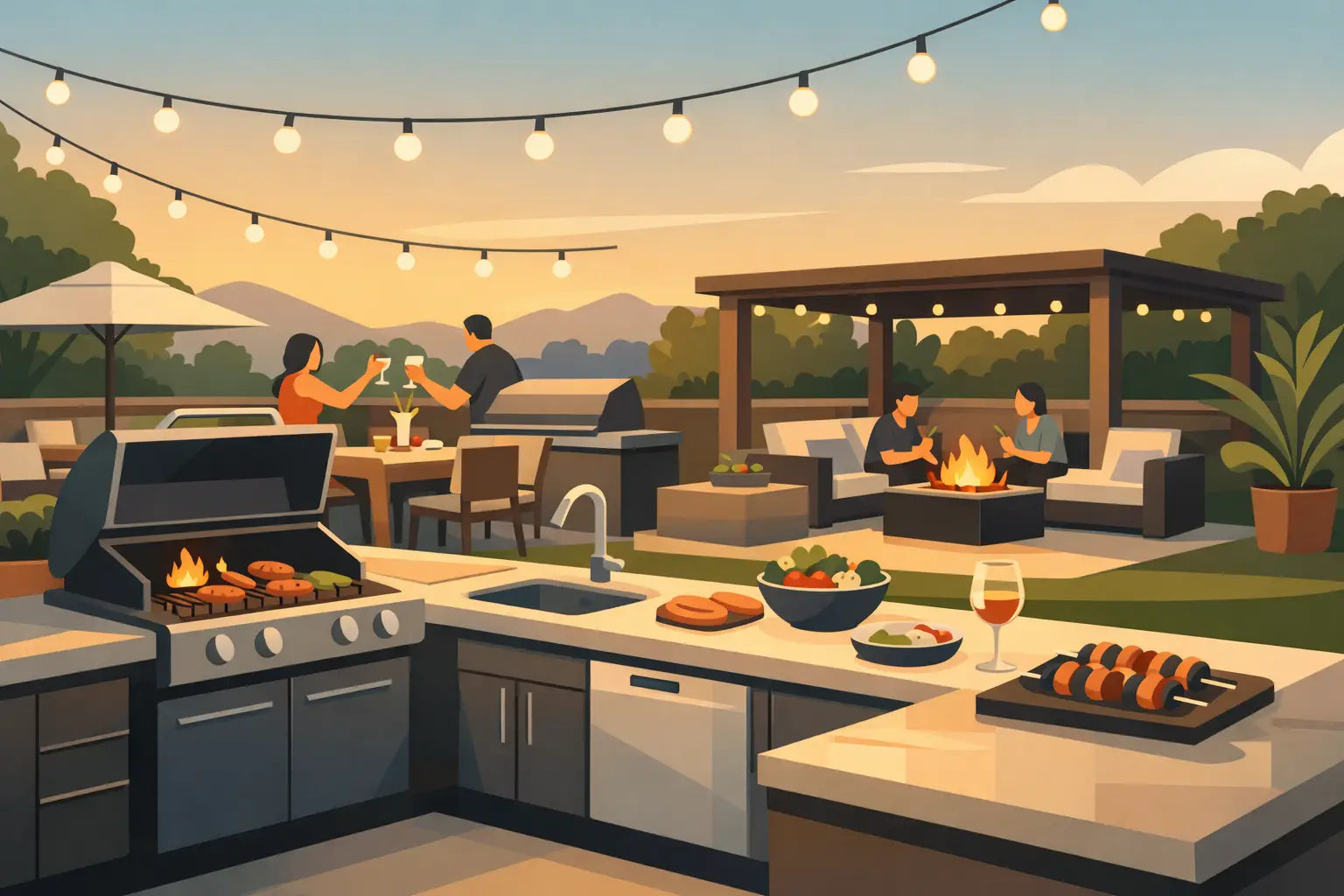
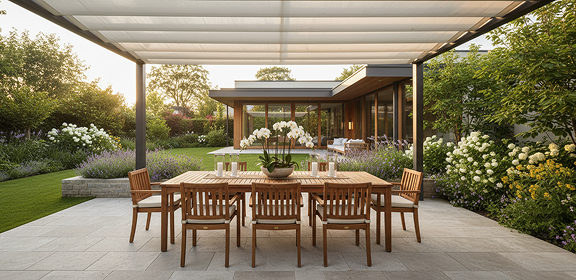
An outdoor kitchen feels most complete when it supports the rest of the setting. Pair the cooking area with comfortable dining furniture, a fire feature that extends the evening, and lighting that makes the patio useful after sunset. If the kitchen sits near a pool, consider durable counter stools and a beverage-focused module that serves guests without bringing wet traffic through the house.
Nokoluxe Living approaches this kind of planning as a curated whole rather than a collection of disconnected pieces. The goal is not to fill a patio with products. It is to create a place that looks considered, performs beautifully, and invites people to stay a little longer.
Begin with the grill you will genuinely enjoy using, give it the support of purposeful storage and prep space, and let your hosting habits guide every additional module. The result can be more than an outdoor cooking station: it can become the place where ordinary evenings at home feel exceptionally well spent.