Outdoor Fireplaces That Transform Your Patio
A well-designed patio can look beautiful at noon and still feel unfinished after sunset. Outdoor fireplaces change that equation. They add a source of genuine warmth, of course, but their greater value is the sense of place they create: a natural gathering point for lingering dinners, quiet cocktails, post-swim conversations, and cooler-season weekends at home.
For homeowners investing in a refined outdoor retreat, a fireplace is rarely an accessory. It is an architectural decision that can anchor the furniture plan, define an entertaining area, and make the backyard feel as considered as the rooms inside the home. The right choice depends on how you live outside, the character of your property, and the practical details that make the space enjoyable year after year.
Why Outdoor Fireplaces Feel More Permanent
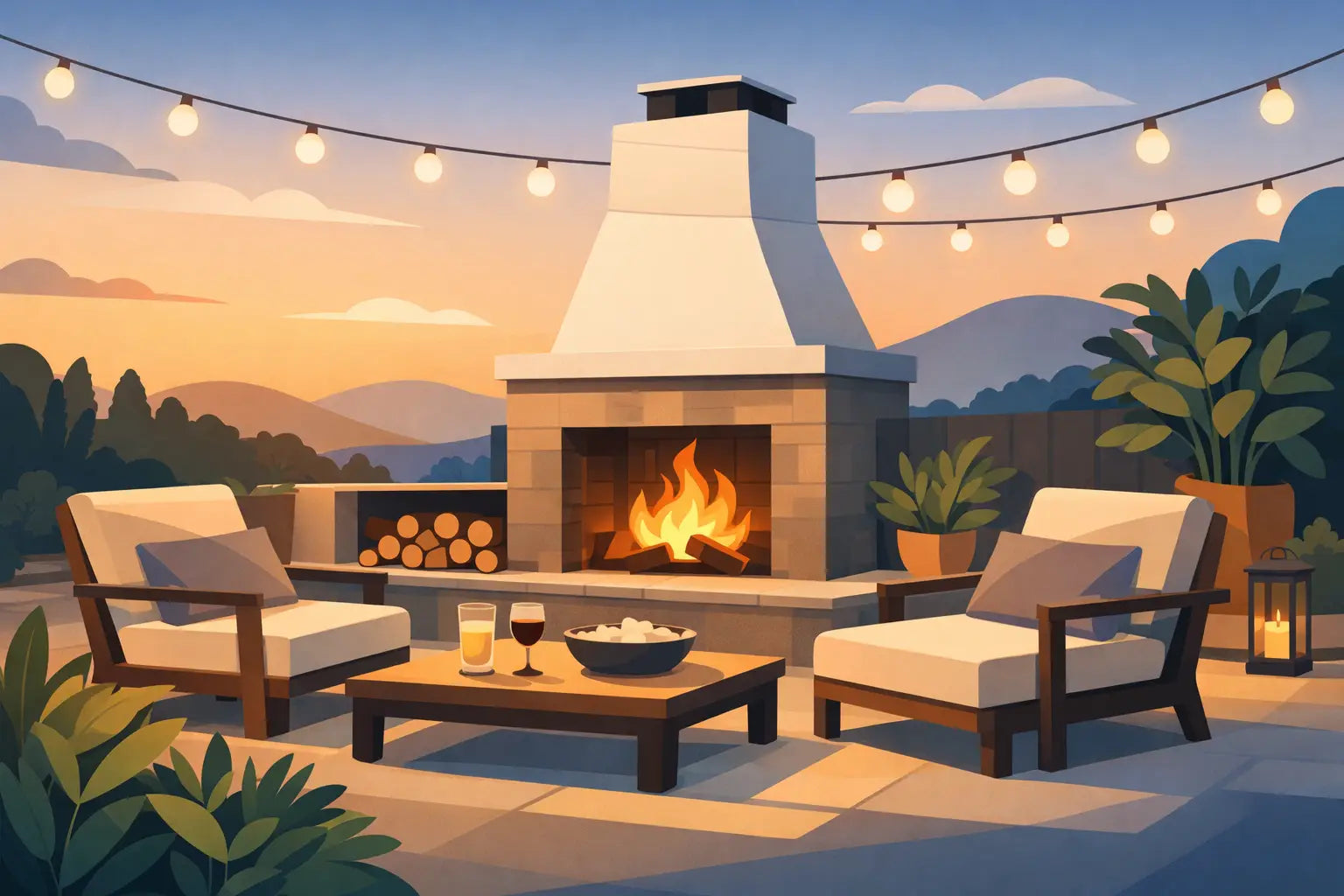
A fire pit or fire table offers flexibility and a more open, conversational feel. An outdoor fireplace brings a different kind of presence. With a vertical surround, chimney or venting structure, and defined hearth, it reads as a destination rather than simply an element placed on the patio.
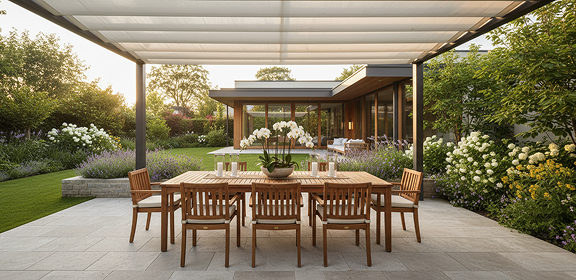
That distinction matters on larger properties, expansive terraces, and poolside settings where furniture alone can feel visually scattered. A fireplace creates an endpoint for the eye and gives an outdoor room a sense of enclosure without closing it off from the landscape. It can also introduce material contrast: textured stone against clean-lined teak, smooth concrete beside woven lounge seating, or a warm masonry finish alongside a modern outdoor kitchen.
There is a trade-off. Because fireplaces occupy more visual and physical space than a fire table, they require more deliberate planning. In a compact courtyard, a low-profile fire feature may preserve better circulation and sightlines. On a generous patio, however, the scale of a fireplace can make the entire setting feel more balanced and intentional.
Choosing an Outdoor Fireplace for Your Lifestyle
The best fireplace starts with the moments you want it to support. A household that hosts long weekend dinners may prefer a broad hearth and deep seating arrangement, allowing guests to settle in after the meal. A pool owner may want a fireplace placed slightly apart from the water, creating a warm destination for towels, evening conversation, and late-season swims. At a second home, easy ignition and low-maintenance materials can be more valuable than a highly customized installation.
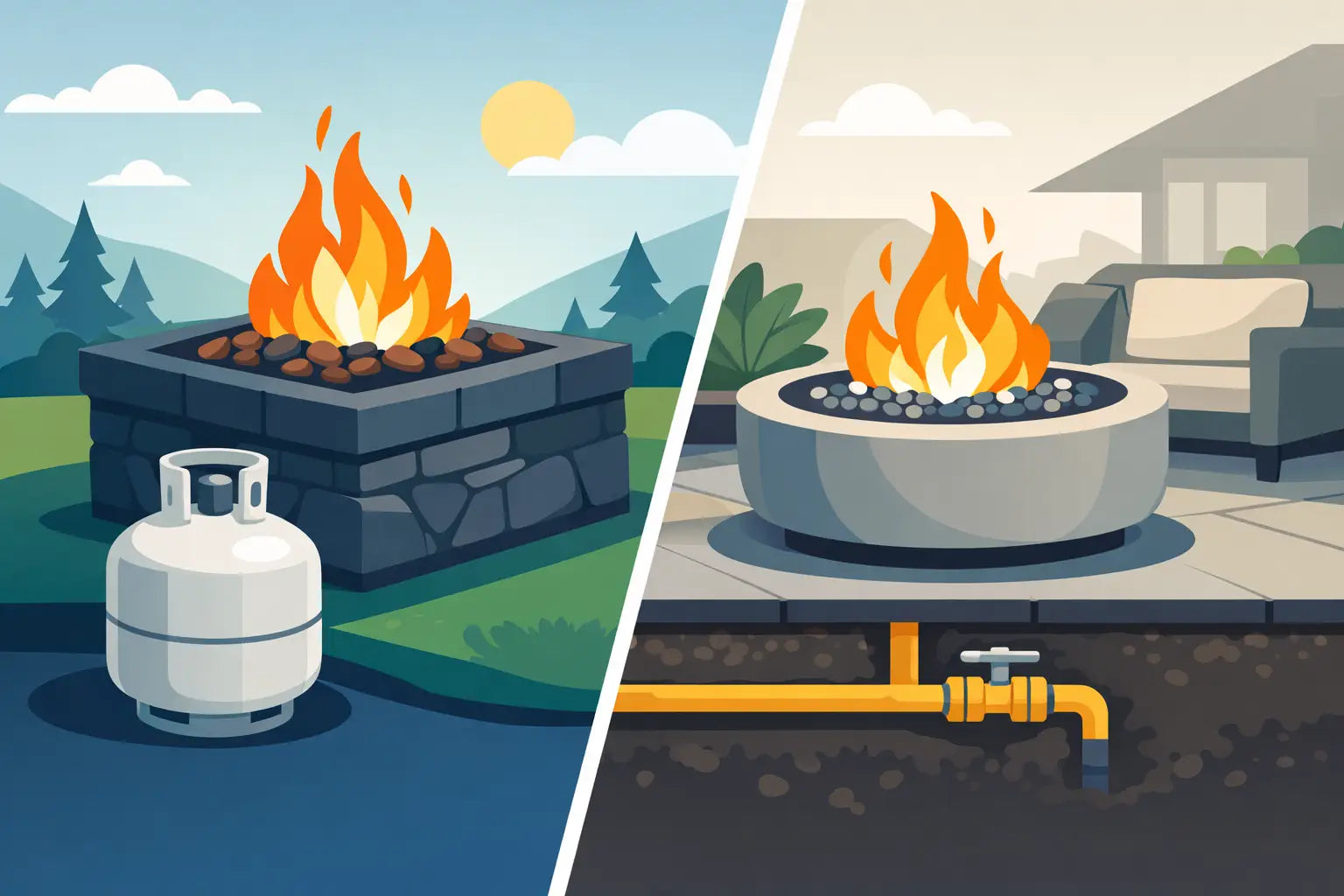
Fuel type is one of the first decisions. Gas fireplaces appeal to homeowners who want controlled flames, reliable ignition, and a clean experience with minimal cleanup. They are especially well suited to polished, contemporary outdoor spaces and frequent entertaining. Wood-burning models offer the familiar ritual of building a fire and the fragrance of natural wood, but they require fuel storage, ash removal, and more attention to local regulations.
Wood-burning fireplaces also produce more heat and a more traditional fireside experience, which may be ideal in colder climates. Gas offers greater convenience and is often easier to enjoy on a spontaneous weeknight. Neither is universally better. The right answer comes down to how much maintenance you are comfortable with and whether atmosphere, heat output, or ease of use is your top priority.
Scale the Fireplace to the Patio
A fireplace should feel substantial without overwhelming the space around it. Before selecting a model or beginning a custom design, map the intended seating zone and maintain clear pathways to doors, grills, dining areas, and the pool. A dramatic fireplace can look spectacular in photographs but feel cumbersome if guests have to navigate around it every time they move through the patio.
Consider viewing angles as well. The fireplace should be visible from the seats you use most, but it should not block a prized garden view or compete with a beautiful water feature. A fireplace placed at the far end of a terrace often works well because it draws people outward and gives the patio a composed visual finish.
For a built-in installation, proportions matter beyond the firebox itself. The width of the surround, height of the chimney, and depth of the hearth all affect how the feature relates to the home. A low, linear design complements contemporary architecture. A taller mantel and more dimensional stonework can suit traditional, Mediterranean, or rustic settings.
Select Materials That Age Gracefully
Luxury outdoor living is not about choosing the most elaborate finish. It is about selecting materials that continue to look composed after seasons of sun, rain, wind, and regular use. Natural stone, cast concrete, porcelain cladding, stainless steel, and quality masonry each offer a distinct aesthetic, but weather performance should guide the final decision.
In coastal areas, salt air can be demanding on metal components. In regions with freeze-thaw cycles, porous materials and poorly managed water exposure can create avoidable maintenance concerns. Concrete offers a tailored, architectural look, though it may develop subtle variation over time. Natural stone feels timeless and layered, but its color and texture should be chosen in relation to the home rather than in isolation.
A fireplace does not need to match every surface outdoors. In fact, a measured contrast often creates more depth. The goal is visual cohesion: a finish that relates to the patio, exterior façade, pool coping, or outdoor kitchen without making the entire setting feel overly coordinated.
Plan the Seating Before the Feature Is Built
A fireplace works best when the seating is treated as part of the design, not as an afterthought. Unlike a television wall indoors, a fire feature rewards an arrangement that encourages people to face one another as much as they face the flames. Two sofas positioned at an angle, a pair of generous lounge chairs with a tailored loveseat, or a curved arrangement of deep seating can all create a more natural atmosphere for conversation.
Leave enough room between the fire and the nearest seating for guests to enjoy the warmth without feeling crowded. The ideal distance varies with the fireplace's heat output, local climate, and the openness of the patio. A professional installer and product specifications can help establish safe clearances, but comfort should guide the furniture layout too.
Layer in a low table or a pair of substantial side tables so guests have a place for drinks, books, and serving pieces. Outdoor-rated cushions, performance fabrics, and all-weather frames allow the setting to remain inviting rather than precious. A refined space should be ready for an impromptu gathering, not require preparation each time you step outside.
Safety, Placement, and Professional Installation
An outdoor fireplace is a major feature, and the invisible planning is as important as the visible design. Local building codes, HOA requirements, utility access, setback rules, venting needs, and fire safety standards can all influence what is possible on a particular property. This is especially true for gas lines, permanent masonry structures, covered patios, and installations near trees or property boundaries.
Professional installation is a worthwhile investment for both safety and finish quality. A properly planned gas fireplace requires the correct fuel supply, shutoff access, burner configuration, and drainage considerations. A wood-burning fireplace needs appropriate construction, spark management, and chimney design. In either case, the surrounding materials and furniture placement should be chosen with heat exposure in mind.
Do not overlook wind. An exposed terrace may need a fireplace design that protects the flame, while a sheltered courtyard can retain heat beautifully but may need more careful attention to ventilation. Small site details often determine whether a fireplace becomes a favorite daily amenity or a feature used only on ideal weather days.
Make the Fireplace Part of a Complete Retreat
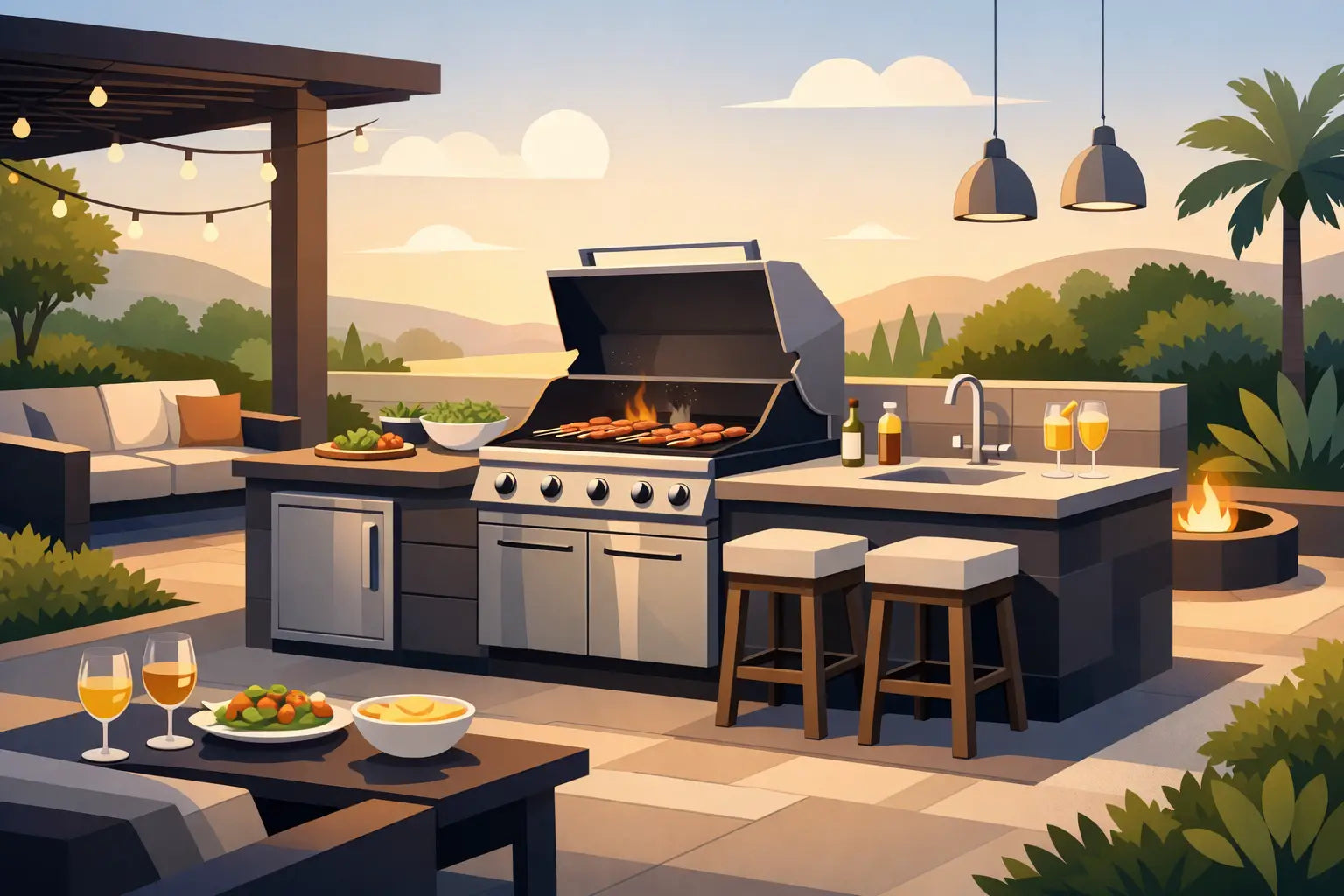
The most memorable outdoor spaces feel connected rather than collected. Let the fireplace guide the rest of the plan: dining nearby for post-dinner conversation, a grill or outdoor kitchen positioned for easy hosting, and comfortable lounge seating that extends the evening beyond the meal. Thoughtful lighting adds another layer, with subtle path lights and warm ambient illumination that complement the fire rather than compete with it.
At Nokoluxe Living, the emphasis is on building this kind of cohesive experience through design-forward, durable pieces made for real outdoor use. A fireplace may be the visual anchor, but the surrounding furnishings are what turn it into a place people genuinely want to return to.
Choose a fireplace that suits the rhythm of your home, then give it the space, seating, and materials it deserves. The result is not simply a warmer patio. It is an outdoor room that invites you to stay a little longer.