How to Plan an Outdoor Kitchen That Lasts
A memorable outdoor kitchen rarely begins with a grill. It begins with the moment you want to create: friends gathered around a fire table while dinner finishes, a quiet Sunday breakfast by the pool, or a fully prepared meal that keeps the host outside instead of running back and forth to the house. Knowing how to plan an outdoor kitchen around those real routines is what turns a handsome patio feature into a space you will use often.
For a refined result, treat the kitchen as part of the home’s overall architecture and lifestyle. Its layout, finishes, lighting, and seating should feel considered from every vantage point - indoors, from the yard, and when guests are gathered around it.
Start With How You Will Use the Space
Before choosing appliances or cabinetry, decide what the kitchen needs to do. A compact grilling station for a couple has different requirements than a full entertaining kitchen for large family gatherings. The most successful plans focus on the level of cooking, hosting, and cleanup that will actually happen outdoors.
Think through the rhythm of a typical occasion. Will you prepare full meals outside, or simply grill proteins while most prep occurs indoors? Do you want guests seated at a bar while you cook? Is the kitchen near a pool, where cold drinks and quick lunches matter more than an oversized cooking suite? These answers establish the right scale.
A simple grill island may be ideal for an intimate terrace. For frequent entertainers, a larger arrangement with refrigeration, generous prep space, a sink, storage, and bar seating can make the backyard feel like a natural extension of the home. More features are not automatically better. A kitchen that is too large for its setting can dominate the landscape and add maintenance without improving the experience.
How to Plan an Outdoor Kitchen Layout
The layout should make cooking feel calm, not crowded. Begin by identifying the cooking zone, prep zone, serving zone, and cleanup zone. These functions do not need to be far apart, but each needs enough room to work comfortably.
Place the grill where smoke and heat will not drift into seating areas, open windows, or heavily traveled walkways. If the kitchen sits beneath a pergola, roof, or covered patio, confirm that the grill installation meets the manufacturer’s clearance requirements and applicable local codes. Proper ventilation is not a detail to address later.
Counter space deserves more attention than most homeowners expect. A landing area beside the grill gives you a safe place for platters and tools, while a dedicated prep surface keeps raw ingredients separate from finished food. Plan for counter space on both sides of the grill whenever the footprint allows. It is one of the clearest differences between a kitchen that photographs well and one that cooks well.
Choose the right configuration
Straight-line kitchens work beautifully along a wall, fence, or covered patio edge. They are efficient, visually clean, and often best for smaller spaces. An L-shape adds useful prep area and creates a more defined cooking environment without closing off the yard.
A U-shape offers the most workspace and can support serious outdoor cooking, but it requires generous square footage and thoughtful circulation. For many luxury backyards, an island paired with a separate grill run offers the best social balance: the cook faces guests rather than a wall, and the island becomes a natural place for serving or casual dining.
Keep walkways open. As a practical rule, allow at least 36 inches for a working aisle and more where guests will pass behind the cook or sit at counter-height seating. If cabinet doors, refrigerator doors, or pullout trash bins open into the same path, account for that clearance in the design phase.
Let Utilities Guide the Plan Early
An outdoor kitchen is far easier to plan before hardscape is installed or a patio is refinished. Gas lines, electrical service, water supply, drainage, and low-voltage lighting may all influence where the kitchen can sit and how much the project will cost.
Natural gas offers the convenience of a continuous fuel supply, making it a strong choice for homeowners who grill often. Propane can be more flexible where extending a gas line is impractical, though the tank needs a discreet, accessible location. Electrical power is necessary for refrigeration, task lighting, ignition systems, and outlets, while a sink requires both supply and drainage considerations.
Work with qualified local professionals for utility connections, permits, and inspections. Requirements vary by municipality, especially for gas, electrical work, drainage, and structures near property lines. Planning these elements upfront protects both the investment and the finished appearance. Nobody wants to cut into newly installed stone because an outlet or gas shutoff was overlooked.
Select Appliances for the Way You Cook
Start with a high-quality built-in grill sized for your household and entertaining habits. A larger grill provides flexibility, but it also needs more island space, fuel capacity, and cleaning. Consider the cooking features you will use consistently, such as infrared searing burners, rotisserie capability, multiple heat zones, or a side burner for sauces and sautéing.
Refrigeration is one of the most practical upgrades for a host who wants to remain outdoors. An outdoor-rated refrigerator keeps drinks, garnishes, and ingredients close at hand. A dedicated beverage center may be enough for a lounge-focused patio, while a larger refrigerator supports full meal preparation.
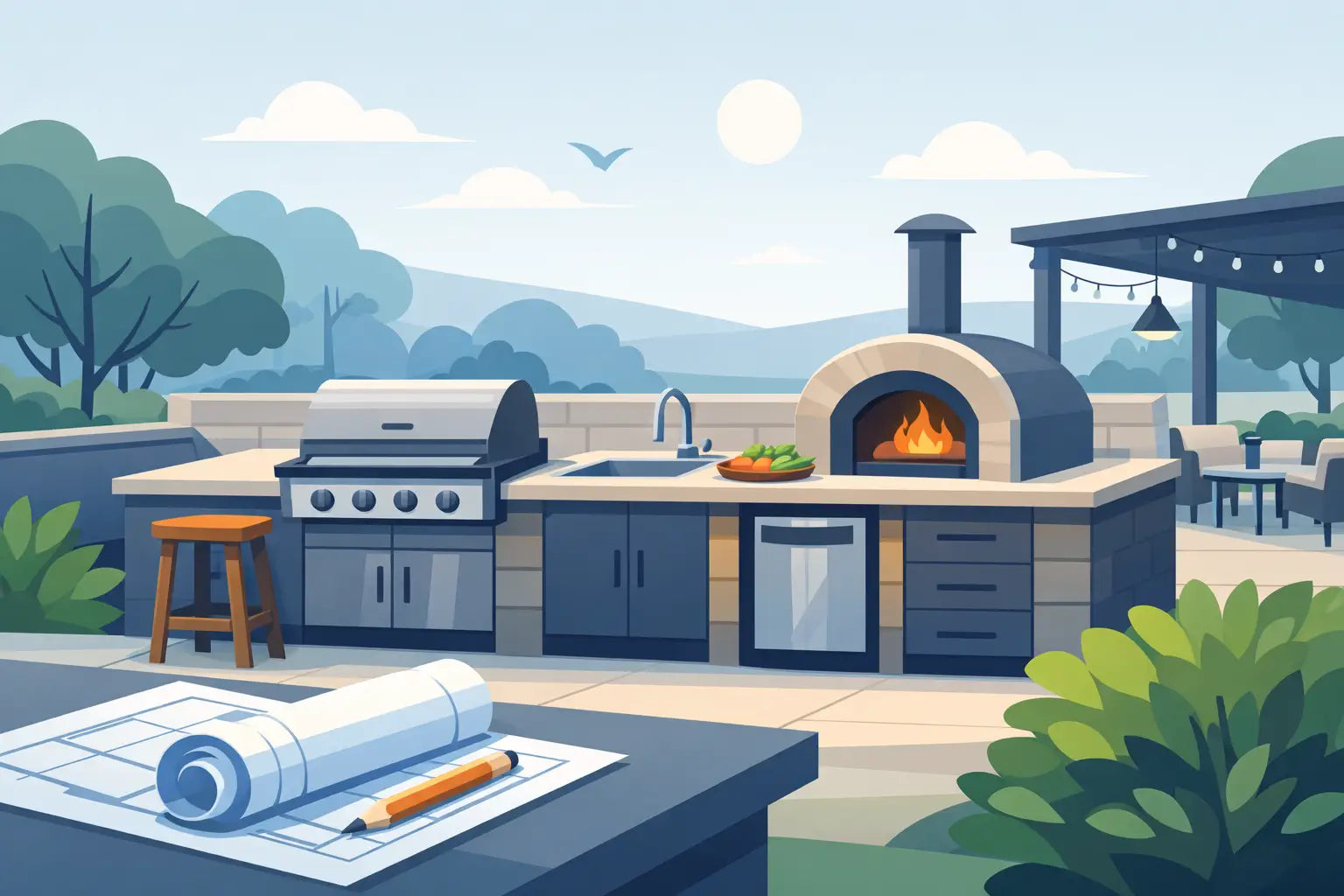
A sink is especially useful when the kitchen is far from the indoor kitchen. It simplifies handwashing, produce rinsing, and cleanup, but adds plumbing complexity. Other additions - pizza ovens, smokers, ice makers, power burners, and kegerators - should earn their place through frequent use. Choose fewer exceptional components over a crowded collection of novelty appliances.
Build for Weather, Heat, and Time
Outdoor materials must handle far more than occasional rain. Sun exposure, freeze-thaw cycles, humidity, salt air, grease, and temperature swings all affect how a kitchen performs over time. The right material depends on your climate, the kitchen’s exposure, and how much maintenance you are willing to accept.
Marine-grade stainless steel cabinetry is a polished, durable choice, particularly in coastal environments. Powder-coated aluminum can offer a clean contemporary look with strong weather resistance. Masonry or framed islands finished in stone, tile, stucco, or porcelain can create a more architectural presence, though the structure beneath the finish must be designed for outdoor use.
For countertops, prioritize heat tolerance, stain resistance, and seasonal durability. Porcelain, granite, and certain natural stones are popular choices, but every surface has trade-offs. Some stones need sealing. Dark finishes may become uncomfortably hot in direct sun. Highly textured materials can be difficult to clean after a busy dinner party. Request samples and view them outdoors at different times of day before making a final decision.
Make the Kitchen Feel Connected to the Home
Luxury outdoors is not about matching every finish exactly. It is about visual continuity. Repeat one or two cues from the home - perhaps warm wood tones, charcoal metal, creamy stone, or sculptural lighting - so the kitchen feels intentionally placed rather than added on.
Consider sightlines from inside the house. If the kitchen is visible through large doors or windows, its cabinetry and countertop should complement the interior palette. If it is positioned farther into the yard, it can become a destination, especially when framed by landscaping, a pergola, or a fire feature.
Lighting changes how often the kitchen gets used. Layer task lighting at the grill and prep areas with ambient lighting for pathways, dining, and planting. Warm illumination is generally more flattering and inviting than bright, cool fixtures. Add shade where needed, whether through a covered structure, umbrella, or mature landscape, but keep combustion appliances clear of materials that could trap heat or smoke.
Budget for the Complete Experience
The visible appliances are only one portion of the project. A realistic budget accounts for the infrastructure and finishing work that make the kitchen safe, comfortable, and enduring. Plan for these major categories:
- Appliances, cabinetry, countertops, and sink components
- Gas, electric, plumbing, drainage, and permit-related work
- Site preparation, foundations, hardscape, and installation
- Lighting, shade, seating, landscaping, and protective covers
A curated source such as Nokoluxe Living can help bring clarity to appliance, seating, fire feature, and material decisions, particularly when you want individual pieces to feel cohesive rather than collected over time.
Plan for Comfort Beyond the Meal
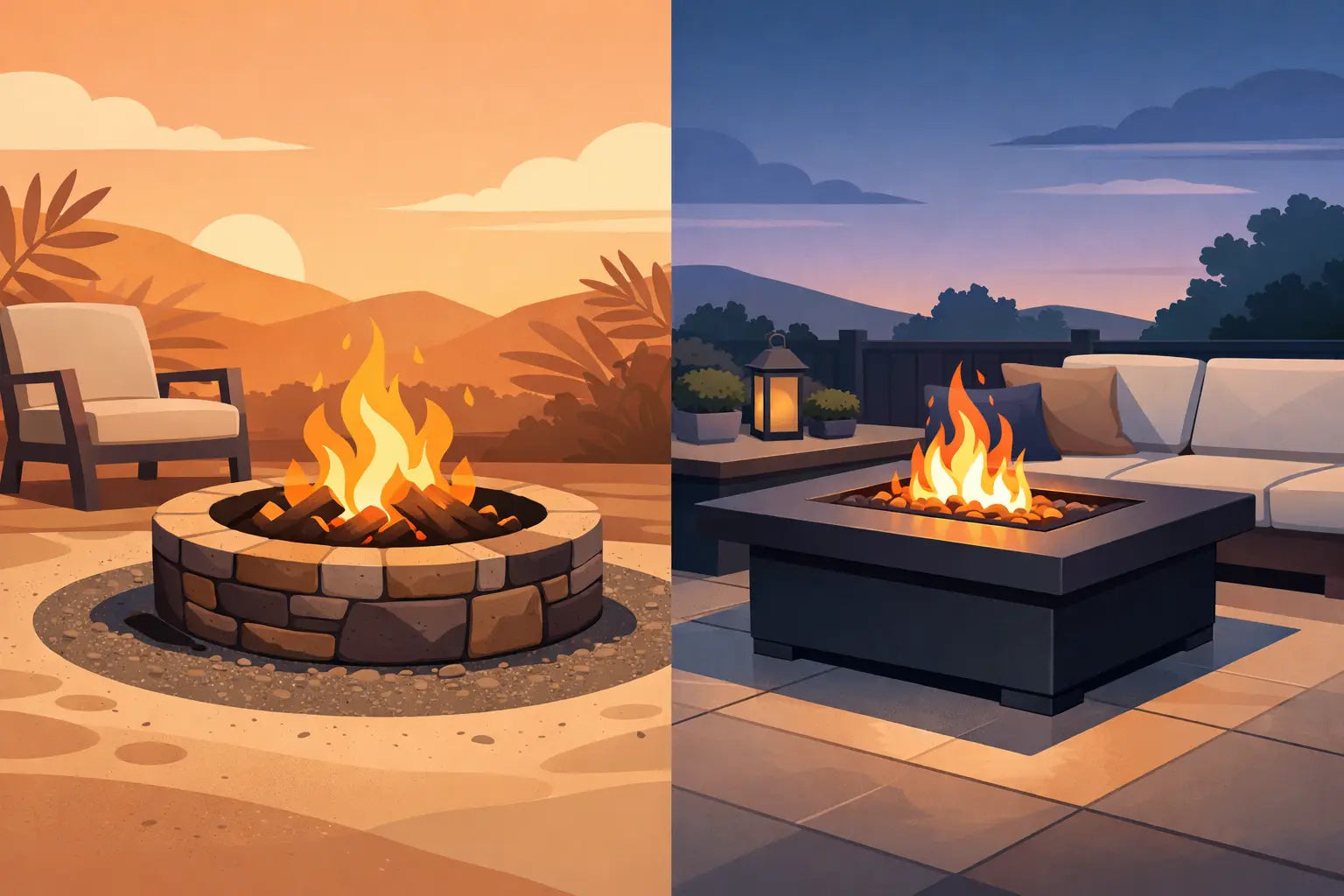
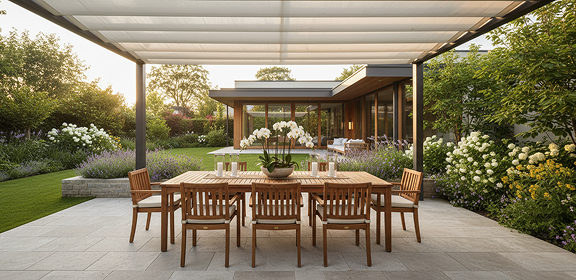
An outdoor kitchen earns its place when people want to linger after the plates are cleared. Build that invitation into the plan. Comfortable dining furniture, counter stools with proper legroom, nearby lounge seating, and a fire feature can turn dinner into an evening rather than a transaction.
Also consider storage. Weather-resistant cabinetry for grill tools, servingware, towels, and cleaning supplies prevents the kitchen from looking cluttered and eliminates repeated trips indoors. Covers, shade, and a sensible cleaning routine will preserve the finish and make seasonal maintenance feel manageable.
The best outdoor kitchen does not try to replicate every function of an interior kitchen. It gives you the freedom to cook, host, and relax in the open air with everything essential within reach - and with a setting that makes staying outside feel like the obvious choice.